
Wireless Home Security Alarm System: What it’s and How It Works
Contents
A wireless home security alarm system protects your place using sensors and alarms that connect without cables. Instead of running wires through walls, the scheme uses radio signals or Wi‑Fi to link devices to a central hub. This approach makes setup faster, more flexible, and often easier to expand later.
To choose well, you need to understand what each part does, pretty much,, how the system communicates, and where the limits are. This guide explains wireless alarm basics in clear language so you can decide what fits your home and budget.
Core idea of a wireless home security alarm system
A wireless home security alarm system is a group of smart devices that watch for threats and trigger alerts. Let me put it this way: the system spots events like doors opening, glass breaking, or motion in a room, then sends a signal to a hub or control panel. But here’s what’s interesting: often, the hub decides what happens next, such as sounding a siren or sending a notification.
How the wireless alarm concept fits modern homes
Wireless systems use batteries and radio signals, so sensors don’t need power or data cables. This makes them popular for renters, existing homes, and people who want a clean install. Sometimes, many system also link to smartphone apps, so you can check your home from almost anywhere.
Some systems are self‑monitored, really, where alerts go to your phone only. On top of that, if needed, Others offer professional monitoring, where a security team can contact emergency services. You can often start small and add more sensors over time as your needs change.
Main components of a wireless home alarm setup
Most wireless alarm kits share a set of core parts. Let me put it this way: knowing what each piece does helps you design a system that matches your home layout and risk level.
Essential devices in a wireless home security alarm system
The components below form the base of almost every wireless alarm. You can add more later, but these pieces create the main protection layer.
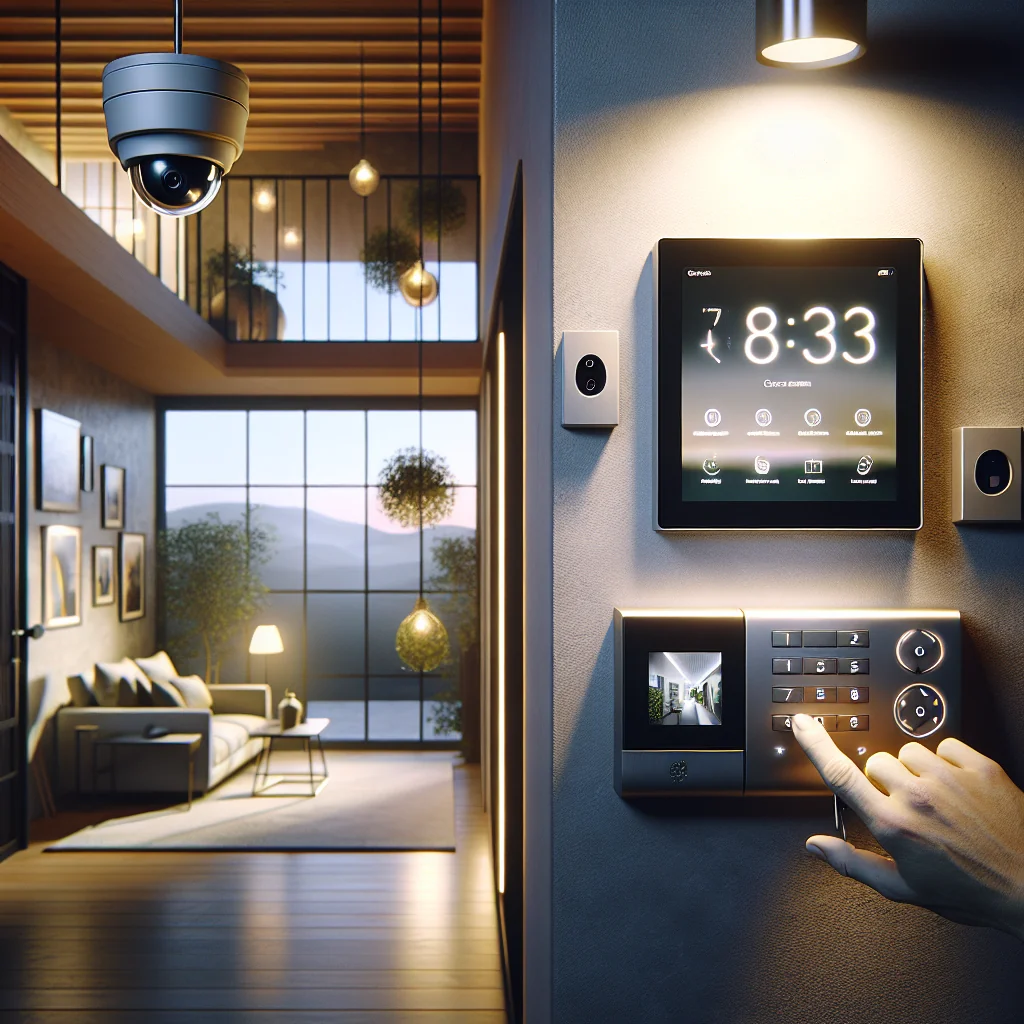
- Control panel or hub: The brain of the system that receives signals, manages rules, and connects to the internet.
- Door and window sensors: Two‑part sensors that trigger when a door or window opens or closes.
- Motion detectors: Sensors that detect movement within a set range, often using infrared technology.
- Indoor and outdoor sirens: Loud alarms that sound when a break‑in is detected, sometimes with flashing lights.
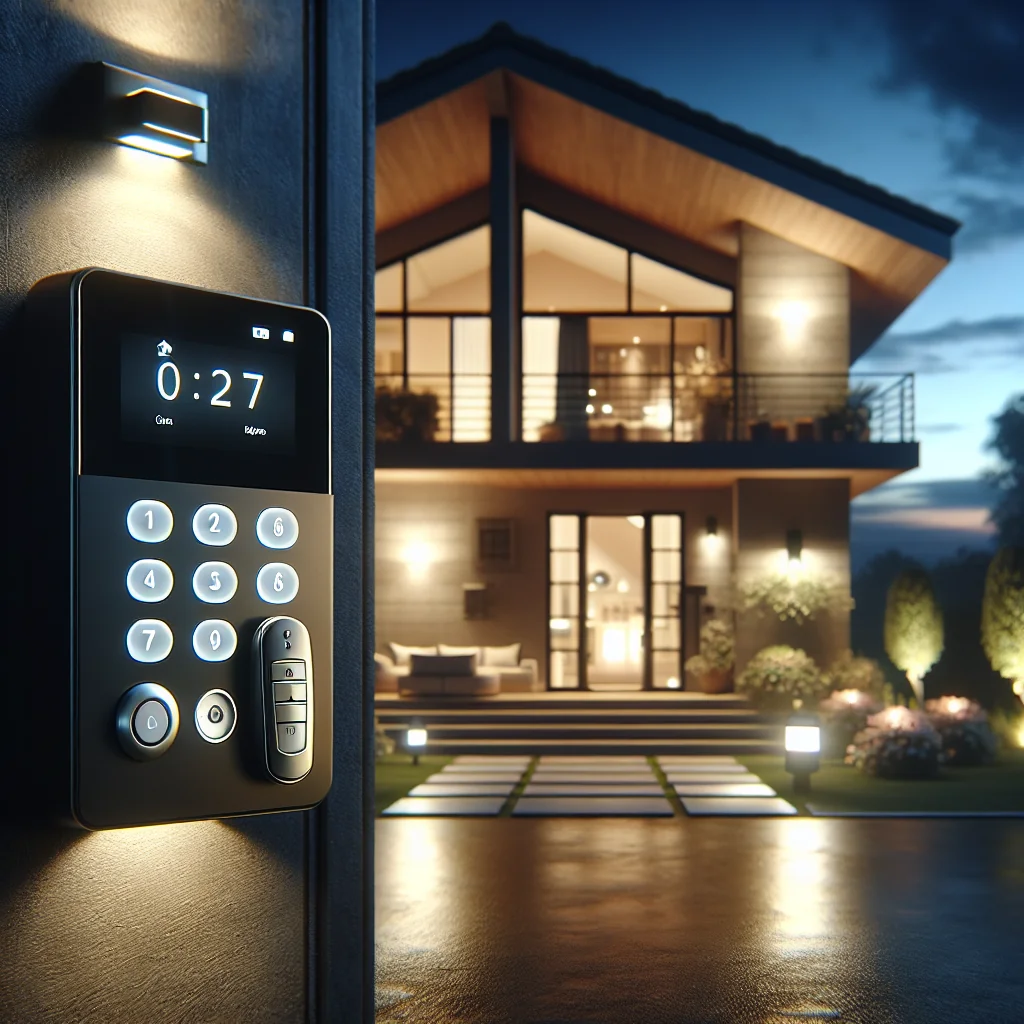
- Keypad, key fob, or tag reader: Devices that let you arm and disarm the system without using your phone.
- Security cameras ( optional ): Indoor or outdoor cameras that provide live video and recordings.
- Environmental sensors: Extra detectors for smoke, you know, heat, carbon monoxide, water leaks, or freezing temperatures.
- Communication module: Wi‑Fi, Ethernet, or cellular module that connects the hub to the internet or monitoring service.
Many brands let you mix and match these parts, so you can start with a basic kit and expand. Focus first on entry points and high‑value areas, then add cameras and extras as your budget allows.
How a wireless home security alarm system actually works
Behind the scenes, a wireless alarm follows a simple chemical chain of events. Look, understanding this chain helps you set up rules and spot weak points before they cause real trouble.
From sensor detection to alarm response
First, sensors stay in a low‑power state but keep watching for changes. A door detector waits for the magnet to move, while a motion detector waits for body heat movement. On top of that, when a sensor detects an event, it sends a short wireless signal to the hub using a set radio frequency or protocol.
The hub checks the signal against your current mode, such as “ armed away, ” “ fortify home, ” or “ disarmed. ” If the rules say the case is a threat, the hub, really, triggers alarms, sends push alerts, and may contact a monitoring center. Many systems also log the event in an activity history so you can review what happened later.
Wireless technologies used in modern alarm systems
Wireless home security alarm systems can use several communication methods. Here’s the bottom line: each has strengths and trade‑offs that affect range, battery life, and smart home support.
Common protocols and what they mean for you
Some systems use Wi‑Fi for devices, pretty much, like cameras and the main hub. Others use low‑power radio protocols such as Zigbee, Z‑Wave, or a brand ’ s own signal for sensors. Many hubs combine both, using Wi‑Fi for cloud access and a separate radio network for internal devices.
High‑end system often include a cellular module as a backup if your internet or power fails. This backup can keep alerts and monitoring active during outages. When you compare systems, check which protocols they support and how they handle interference, range, and relief communication.
Key benefits of choosing a wireless home alarm
Homeowners often weigh radio against wired systems. Wireless alarms bring several clear benefits, especially for existing homes and renters who can not run new cables.
Why many households prefer wireless alarm systems
Installation is usually faster because you don’t need to run cables in walls. You can place sensors with adhesive strips or simple screws, then connect them through an app. Moving devices is also easier if you change furniture or move home.
Wireless systems are flexible and scalable. In fact, you can add new sensors, cameras, or smart locks without major work. Basically, many scheme also support smart home features like voice control, schedules, and automation rules, which can improve both security and daily comfort.
Limitations and risks to be aware of
Wireless home security alarm systems are powerful, but they are not perfect. Being aware of limits helps you build in backup layers and use the system wisely for many years.
Signal, power, and cyber risks with wireless alarms
Wireless signals can face interference from thick walls, metal surfaces, or other devices. This can reduce range or cause occasional dropouts. Careful placement and, in some cases, signal repeaters can help improve coverage.
Battery‑powered sensors need regular checks and replacements. Many apps warn you when batteries run low, but you still need a routine. There’s also a risk of hacking, like with any connected device. Frankly, strong passwords, two‑factor authentication, and habitue firmware updates reduce this peril.
How to choose the right wireless home security alarm system
Before you buy, take time to map your needs and compare options. A simple checklist can keep you focused on what matters most for your home and lifestyle.
Step‑by‑step checklist for comparing wireless alarm options
Use the steps below to match a wireless home security alarm system to your property and habits.
- List your entry points and key areas, such as doors, ground‑floor windows, and hallways.
- Decide whether you want self‑monitoring, professional monitoring, or both.
- Check if you need smart home integration with platforms like Google, Apple, or Alexa.
- Compare sensor range and maximum device limits for each system.
- Review backup options such as battery backup and cellular communication.
- If you want video, Look at camera quality, storage options, and privacy controls.
- Estimate total cost, including hardware, subscriptions, and possible upgrades.
- Read about app quality and ease of use, since you’ll use the app often.
Using a clear checklist keeps you from focusing only on brand names or one feature. The best system is the one that covers your real risks, fits your budget, and feels simple enough that you will use it every day.
Comparison of wireless vs wired alarm systems
The table below compares common traits of wireless and wired abode alarm systems. Also, use it to see which style matches your home and risk profile.
Side‑by‑side view of wired and wireless alarm features
Key differences between wireless and wired alarm setups
| Please enter at least 10 characters of text to humanize. | Wireless alarm system | Wired alarm system |
|---|---|---|
| Installation effort | Fast install, no wall cabling needed | More labor, usually needs cables in walls |
| Flexibility and expansion | Easy to move and add devices | Harder to change once installed |
| Power source | Mainly battery‑powered sensors | Most devices powered by central panel |
| Signal reliability | Can face wireless interference | Stable physical cabling |
| Please enter at least 10 characters of text to humanize. | Renters and existing homes | New builds or major renovations |
Both wireless and wired systems can protect a home well when installed correctly. The choice often comes down to how much work you can accept during installation and how much flexibility you want later.
Placement tips for sensors and cameras
Good placement can make a basic wireless home security alarm system perform like a high‑end setup. Small changes in position often improve detection and reduce false alarms.
Practical layout ideas for better coverage
Place door sensors on all main entry doors, including side and back door. Sometimes, for window, focus on those at ground level or hidden from the street. Install motion detectors to cover common walking paths, such as hallways and living areas, rather than pointing straight at windows.
For cameras, avoid aiming directly at bright lights or the sun, which can wash out images. Angle outdoor cameras to cover entry points and approaches, not wide empty infinite. Indoors, choose corners that give a broad view without invading private spaces like bathrooms.
Daily use and best practices for long‑term reliability
Once your wireless alarm is in place, habits matter as much as hardware. So, what does this mean? Truth is, simple routines keep the system reliable and reduce annoyance from repeated false alerts.
Habits that keep your wireless alarm dependable
Arm the system whenever you leave, even for short trips. Use “ check ” or “ home ” modes at night so doors and windows stay protected while indoor motion sensors in living areas remain active or adjusted. So, what does this mean? Teach all household members how to arm, disarm, and respond to alerts.
Plan regular checks. Definitely, test sirens and sensors every few months, update the app and hub firmware, and review activity logs. These steps help you catch weak batteries, failing sensors, or coverage gaps before a real event exposes them.
Is a wireless home security alarm system right for you?
A wireless home security alarm system suits most modern homes, especially where running cables is hard or unwanted. The mix of quick installation, flexible placement, and smart features makes wireless a strong choice for both owners and renters.
Deciding if wireless alarms match your property
As very large homes, buildings with thick concrete walls, or sites that need strict, tamper‑resistant setups, hush, some situations still favor wired or hybrid systems, such. What’s more, in those cases, you might pair wire devices with wireless add‑ons for less critical areas.
If you want a system you can install, expand, and manage from your phone, wireless is a strong starting point. Take time to map your home, compare features with your checklist, and plan sensor placement. A thoughtful setup will give you more peace of mind and fewer false alarms over many years.